Impact Story
A New Name for a New Beginning: How a GivePower Trek Brought Solar to Muryachakwe, Kenya


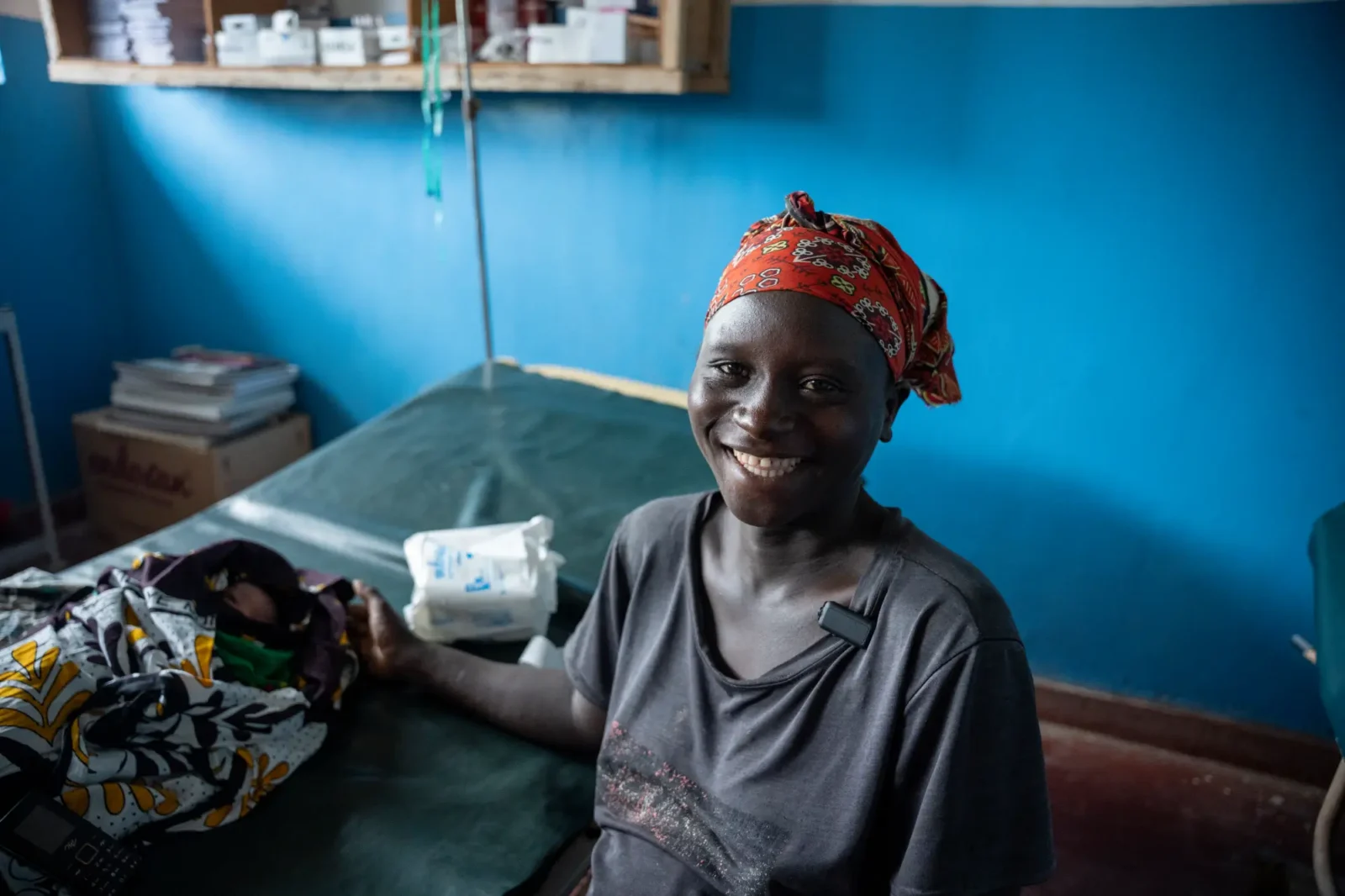
As part of a GivePower Trek, student volunteers from the University of Texas at Austin joined the community of Muryachakwe in Kilifi County, Kenya, to install solar microgrids at the local school and dispensary, positively impacting 6,129 community members. On the day of the lighting ceremony, a baby was born, and her mother named her after one of the student Trekkers.
—
Some moments capture the essence of GivePower Treks in ways no one could have planned.
After days of building alongside the GivePower team and local leaders, a group of student Trekkers from the University of Texas at Austin joined residents of Muryachakwe, Kenya, to mark a new chapter for the community’s school and dispensary. But on the day of the lighting ceremony, another new beginning had already arrived.
A baby had been born.
The mother named her daughter after one of the student Trekkers who had helped bring the project to life.
When I heard baby Sofia was named after me, I was in disbelief. I never realized how much of an impact I could have on a community in such little time. It shows that our presence went through ways that we didn’t expect. It wasn’t just a technical project; it was a human exchange.
In Portuguese, when a woman gives birth, we say she “brought the baby to light.” That day, Joyce brought Sofia to light, and that light was reflected in the school, dispensary and, ultimately, all of the community.
It is an honor to have had a child named after me. I hope that baby Sofiia, along with her six siblings, will dream as big as they desire, and hopefully in the future they will keep spreading the light.
The university students had traveled to Kilifi County as part of a GivePower Trek. Together with Muryachakwe community members, they helped install solar microgrids for Muryachakwe Comprehensive School and Muryachakwe Dispensary.
The school serves 461 students from kindergarten through junior secondary school. Just 300 meters away, the dispensary provides maternal and child healthcare, immunizations and outpatient treatment for the Muryachakwe community.
Both facilities play a vital role in everyday life. But without reliable electricity, their ability to serve the community was limited. At the school, a lack of lighting made it difficult for teachers to prepare lessons and students to continue learning into the evening. And without digital tools, students also didn’t have access to online learning resources or opportunities to build technology skills.
At the dispensary, reliable electricity could be lifesaving. Without power after dark, staff were unable to safely provide essential healthcare services at night. For expectant mothers, that meant traveling 30 kilometers at night to reach another clinic.
These challenges reflect a much larger reality. Today, four out of five schools in Africa lack access to reliable electricity, isolating students from digital learning, prepared teachers and safe learning environments. At the same time, more than one billion people globally are served by health facilities with no electricity or reliable power, and 50 percent or more of health facilities in parts of central and eastern Africa have no access to electricity.
GivePower is helping change that by providing reliable solar solutions built to last. In Muryachakwe, the new systems now strengthen healthcare services and provide new educational opportunities for students and teachers, positively impacting 6,129 community members.
For the UT Austin students, the GivePower Trek offered a chance to turn classroom concepts into action. Working side by side with community members, they helped build a solar microgrid from the ground up and forged connections across cultures.
University Treks give students a deeper understanding of collaboration, service and leadership. They see firsthand how reliable electricity can strengthen education, healthcare and community well-being. Most importantly, they come to realize that meaningful change begins with them.
In Muryachakwe, the positive impact of the Trek continues to grow. Students can learn into the evening, while teachers can prepare lessons more easily and use new technology and digital resources for classroom concepts. Dispensary staff are now better equipped to care for patients around the clock, while expectant mothers can safely access essential maternal care services closer to home.
And one little girl now shares her name with a student who traveled across the world to help her community grow stronger. Her name will carry the story of that week forward, along with the hope that, one day, she will feel inspired to create change of her own and help the positive impact reach even further.
—
Frequently Asked Questions
What is a GivePower Trek?
A GivePower Trek is a seven-day experience where participants travel to a remote community to build a solar microgrid from the ground up, working alongside local partners. University Treks give students hands-on experience in collaboration, service and leadership while bringing reliable electricity to schools, health clinics and community spaces.
What did the Muryachakwe Trek accomplish?
Student Trekkers from the University of Texas at Austin helped install solar microgrids for Muryachakwe Comprehensive School and Muryachakwe Dispensary in Kilifi County, Kenya. The systems now strengthen healthcare and education for 6,129 community members. The school serves 461 students from kindergarten through junior secondary school, and the dispensary provides maternal and child healthcare, immunizations and outpatient treatment.
Why does reliable electricity matter for schools and clinics?
Four out of five schools in Africa lack access to reliable electricity, and more than one billion people globally are served by health facilities with no electricity or reliable power. Reliable power lets students learn after dark, gives teachers digital tools and allows clinic staff to safely provide care at night — including maternal care that would otherwise require traveling long distances
How can I get involved with GivePower Treks?
Individuals, student groups and organizations can join a GivePower Trek or support the program. Visit GivePower’s website to learn about upcoming Treks and ways to get involved.